A Sumerian goddess
Inanna
Queen of heaven in Sumerian poetry, descent to the underworld, and a scholarly debate about her gender-variant cult personnel. Not a costume.
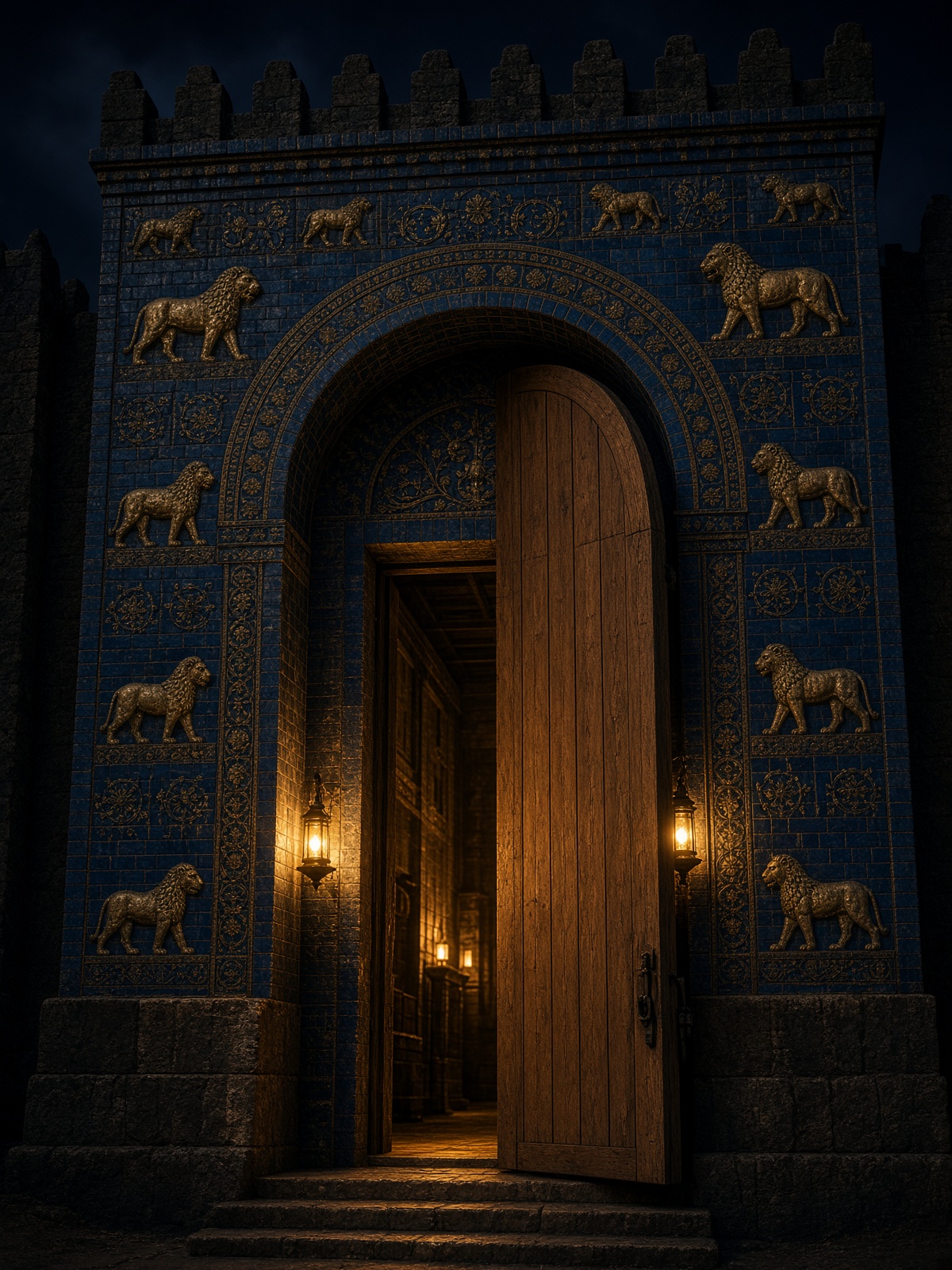
Inanna is a major Sumerian goddess, later shared in many ways with the Akkadian Ishtar: love and war, the morning and evening star, political power, and the famous descent to the underworld in which she is stripped at each gate and killed and, in the story, later released at a cost. The poems are old. The best way to meet them in English is a translation that tells you it is a translation, such as those linked from the Electronic Text Corpus of Sumerian Literature.
Gender-variant cult personnel
Sumerian and Akkadian texts name temple functionaries — words often discussed in modern writing include gala, assinnu, kurgarru, and others — whose roles included lamentation, music, and, in some scholarship, gender transgression or cross-dressing. Scholars do not agree on what these roles meant to the people who held them, or whether any modern term maps cleanly onto them. What you should not say: that ancient Mesopotamia “had trans priests exactly like us” as a settled fact. What you may say: the record is interested in gender boundaries in Inanna’s orbit, and some modern trans and queer devotees have found that interest meaningful. Mark the second sentence as modern.
Enheduanna
The high priestess Enheduanna, daughter of Sargon of Akkad, is the earliest named author in world literature, and her hymns praise Inanna. She is not a queer icon by default. She is a reason to take the goddess’s textual tradition seriously and to notice that women held high religious office. Do not steal her to decorate an argument she did not make.
A humble gesture
- 1Read one hymn or the descent summary from ETCSL or a library translation. Twenty minutes.
- 2Say only: “Inanna, I am centuries late and I will not fake your language. I honor a power that is not domesticated.”
- 3Do not attempt a gate-by-gate underworld ritual from a blog. The descent is a poem about power and death, not a party game.
- 4If gender is the part that brought you here, write, in your own words, what you are asking of your own life. Do not make an ancient office do that labor uncredited.